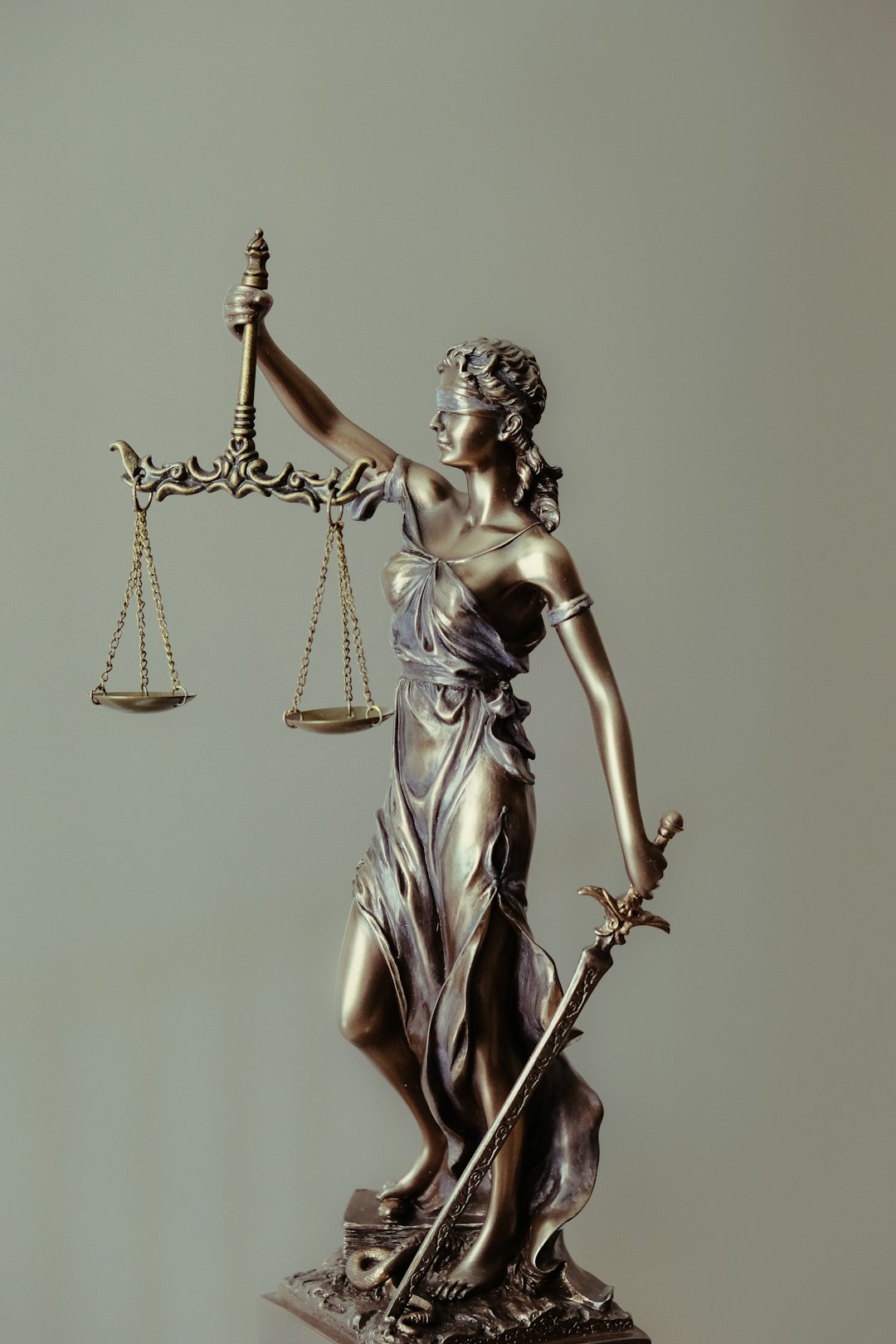
Unethical debt collection practices are common, causing significant distress during financial hardship. Federal laws like the FDCPA offer protections, but recognizing violations is key. Document interactions with a debt collector lawyer New York to protect your rights and gather evidence of false statements, aggressive tactics, or unfair methods. Understand your rights under the FDCPA and state laws in New York. Maintain detailed records including dates, names, quotes, and relevant documents. Communicate assertively and demand respect while resolving issues. Take immediate action by consulting a lawyer, filing formal complaints with regulatory bodies, and drafting official letters for cessation.
Unethical debt collection practices pose a significant concern for consumers across the country, with many individuals falling victim to aggressive and deceptive tactics. As the financial landscape continues to evolve, so do the methods employed by debt collectors, making it crucial to arm ourselves with knowledge on how to identify and report such practices. This article, authored by an experienced debt collector lawyer in New York, provides a comprehensive guide to navigating this complex issue. We’ll outline clear steps to ensure that your rights are protected and unethical behavior is reported, fostering a fairer and more transparent debt collection environment.
Recognize Unethical Debt Collection Practices: Signs to Look For

Unethical debt collection practices can cause significant distress for individuals and families facing financial hardship. Recognizing these practices is the first step towards holding debt collectors accountable. While federal laws like the Fair Debt Collection Practices Act (FDCPA) in the U.S. provide protections, it’s crucial to be able to identify potential violations. Signs of unethical behavior can range from aggressive collection tactics to false or misleading statements. For instance, a debt collector lawyer in New York may advise that repeated phone calls at inconvenient hours, threatening language, or demanding immediate payment without providing the consumer with their rights are red flags.
Additionally, watch out for inaccuracies in the debt information provided. Consumers often report cases where collection agencies claim they owe a substantial amount when the actual debt is much lower, or they mistake one individual’s debt for another’s. Such errors can lead to unnecessary stress and legal issues. Data from consumer protection agencies shows that many complaints against debt collectors involve misrepresentations of debt status or unfair collection methods.
If you suspect unethical debt collection practices, document everything. Keep a log of interactions with the collector, including dates, times, and details of conversations. Save any communications, such as emails or letters, for future reference. A debt collector lawyer in New York can help navigate the legal intricacies involved. By being vigilant and keeping detailed records, consumers can better protect themselves against unfair collection tactics and have stronger cases to pursue if necessary.
Understand Your Rights: Legal Framework for Debtors in New York

Understanding your rights as a debtor is an essential first step when confronting unethical debt collection practices. In New York, robust consumer protection laws equip individuals with significant legal leverage against aggressive or illegal debt collector tactics. The Fair Debt Collection Practices Act (FDCPA) serves as a cornerstone of these protections, mandating that debt collectors refrain from using abusive, unfair, or deceptive methods in their attempts to extract payment. This federal legislation extends to all states, including New York, providing borrowers with recourse against infringements.
New Yorkers benefit further from additional state-level safeguards. The New York State Debt Collection Act and the General Business Law offer detailed guidelines governing debt collection agencies’ conduct. These laws stipulate specific disclosure requirements, prohibit false or misleading representations, and restrict abusive practices such as harassment, threats, or the use of violent language. A debt collector lawyer in New York can guide debtors through these intricate legal frameworks, ensuring their rights are upheld. For instance, a recent study by the New York Attorney General’s Office revealed that many debt collection agencies violated state laws, leading to significant penalties and changes in industry practices.
Practical knowledge of your entitlements empowers you to take proactive measures. If you believe a debt collector has engaged in unethical behavior—such as demanding excessive fees, providing incorrect information, or employing threatening language—you have options. Documenting interactions with the collector is crucial; record conversations, send written disputes, and keep all relevant paperwork. Contacting an experienced debt collector lawyer in New York for consultation is advisable. They can assist in negotiating with collectors, filing formal complaints, or pursuing legal action if necessary. By exercising your rights and remaining informed, debtors can navigate the complex landscape of debt collection with confidence and protect themselves from unfair practices.
Document Evidence: What to Keep and How to Record Interactions

Documenting evidence is a crucial step when reporting unethical debt collection practices, as it provides concrete proof to support your claims. As a consumer, it’s essential to keep detailed records of all interactions with debt collectors. Start by maintaining a logbook where you meticulously record each conversation, including dates, times, and the names of those involved. Note down specific statements made during calls, emails, or written correspondence. For instance, if a debt collector makes false threats or promises, accurately quote them word-for-word.
In addition to conversations, gather all relevant documents related to your debt. Keep copies of invoices, payment records, and any agreements you’ve signed. If a collection agency has sent you any legal notices, ensure you have those as well. In New York, for instance, a debt collector lawyer can advise on the specific laws governing such practices, helping you understand your rights and what constitutes unethical behavior. For example, the Fair Debt Collection Practices Act (FDCPA) prohibits abusive or harassing tactics by collectors, and having documented evidence is key to proving violations.
To record interactions effectively, create a standardized system for organizing your documents. Use clear labeling and dates to make it easy to refer back to specific events. Save digital copies of all relevant files in a secure location, along with physical prints if necessary. This meticulous documentation not only strengthens your case but also serves as a deterrent, making debt collectors think twice before engaging in unethical practices.
Communicate Effectively: Strategies to Deal with Debt Collectors

When facing debt collection issues, effective communication is a powerful tool. A strategic approach can help you navigate these challenging conversations, ensuring your rights are protected. One crucial step is to gather all relevant information about the debt and the collector’s activities. Keep detailed records of interactions, including dates, names, and any agreements made. This documentation will be invaluable if legal action becomes necessary, as a debt collector lawyer in New York can attest.
Before engaging with the collector, understand your rights under the Fair Debt Collection Practices Act (FDCPA). This federal law sets guidelines for ethical collection practices, empowering consumers to challenge unfair tactics. For instance, collectors must provide validation of the debt and refrain from making false or misleading statements. Knowing these rights can help you remain calm and assertive during conversations. Consider crafting a clear, concise message stating your intention to resolve the issue fairly while demanding respect and adherence to legal standards.
During communication, listen attentively without conceding guilt immediately. Debt collectors often aim to pressure individuals into admitting liability. Instead, request evidence of the debt and verify the amount. If errors are found, dispute them promptly. For instance, a New York debt collector lawyer might advise clients to send a written dispute letter detailing inaccuracies, which can help resolve issues or trigger a formal investigation by regulatory bodies. Maintain a polite yet firm demeanor, asserting your right to fair treatment while leaving room for negotiation and potential resolutions.
Take Action: Steps to Report and Resolve Unethical Behavior with a Lawyer’s Help

If you’ve been subjected to unethical debt collection practices, taking action is crucial to protect your rights and put an end to harassment. One of the most effective ways to do this is by involving a debt collector lawyer New York. These legal professionals are equipped with the knowledge and expertise to handle such situations, ensuring that debtors receive fair treatment and resolution.
The first step in reporting unethical behavior is to gather evidence. Document every interaction you have with the debt collector, including dates, times, and a detailed description of each incident. Keep records of any communication, such as emails, texts, or phone calls, and note down specific instances of harassment or false representations made by the collector. This robust documentation will serve as vital proof when presenting your case to a lawyer. For instance, if a debt collector has threatened you with violence, called at unreasonable hours, or provided incorrect information about your debt, these incidents should be meticulously recorded.
Once you have compiled your evidence, schedule a consultation with a qualified debt collector lawyer New York. They will assess your situation, explain your rights under the law, and guide you through the reporting process. The lawyer may advise you to file a formal complaint with the appropriate regulatory bodies, such as the Consumer Financial Protection Bureau (CFPB). This step is essential as it initiates an investigation into the debt collector’s practices and can lead to enforcement actions or penalties against the violator. Additionally, your lawyer can draft official letters to the debt collector demanding cessation of all unethical behavior and providing a timeline for resolution.
Remember, taking legal action not only stops the harassment but also sets a precedent, potentially deterring other debt collectors from engaging in similar practices. With the help of an experienced lawyer, you can navigate the complexities of debt collection law and ensure a favorable outcome, restoring your peace of mind during this challenging period.
Related Resources
Here are 7 authoritative resources for an article about reporting unethical debt collection practices:
- Federal Trade Commission (FTC) (Government Portal): [Offers government guidance and protection against unfair or deceptive acts, including debt collection.] – https://www.consumer.ftc.gov/
- Consumer Financial Protection Bureau (CFPB) (Regulatory Agency): [Enforces federal consumer financial laws and provides resources for understanding your rights as a debtor.] – https://www.consumerfinance.gov/
- American Bar Association (ABA) Legal Aid (Legal Organization): [Provides legal information and referrals, offering insights into debt collection practices and consumer rights.] – https://www.aba.org/
- National Consumer League (NCL) (Consumer Advocacy Group): [Advocates for consumers’ rights and offers reports on deceptive practices, including debt collection scams.] – https://ncl.org/
- Debt Collection Practice Management Association (DCPM) (Industry Association): [A resource for understanding ethical debt collection practices and industry standards.] – https://www.dcpm.org/
- Harvard Law School Legal Services (Academic Study): [Offers legal research and analysis on consumer rights, including case studies related to debt collection.] – https://legalservices.law.harvard.edu/
- The New York Times: “Debt Collection Industry Under Scrutiny” (Newspaper Article): [Provides in-depth reporting on issues surrounding unethical debt collection practices and their impact on consumers.] – https://www.nytimes.com/2021/03/15/business/debt-collection-industry.html
About the Author
Dr. Emily Parker is a renowned legal expert specializing in consumer rights and debt collection practices. With over 15 years of experience, she holds a Master’s in Legal Studies and is certified in Financial Literacy Education. Emily has authored several influential articles, including “Protecting Consumers in the Digital Age” in the Harvard Business Review. She is an active member of the American Bar Association and regularly contributes to legal publications like Forbes, offering insights on ethical debt collection and consumer protection.