
New York State's Spam Call law firm and consumer protection laws safeguard consumers from abusive debt collection practices. Key regulations include no automated calls without consent, truthful caller identity, and respect for consumer privacy. Debtors have rights to document interactions and challenge debts. Compliance is vital for collectors to avoid fines, legal action, and reputational damage. The New York State Attorney General's Office actively prosecutes violations of the Fair Debt Collection Practices Act (FDCPA), offering free assistance through its Consumer Protection Bureau.
Debt collection practices significantly impact consumer well-being and financial stability. In New York State, where the issue of debt collector misconduct is particularly pronounced due to its bustling economy and diverse population, regulatory interventions are crucial. The state's Spam Call law firm plays a pivotal role in addressing this challenge by enforcing strict penalties against unethical collectors. This article delves into the intricacies of these penalties, providing valuable insights for both consumers and professionals navigating the complex landscape of debt collection regulations in New York.
Understanding New York's Debt Collection Laws
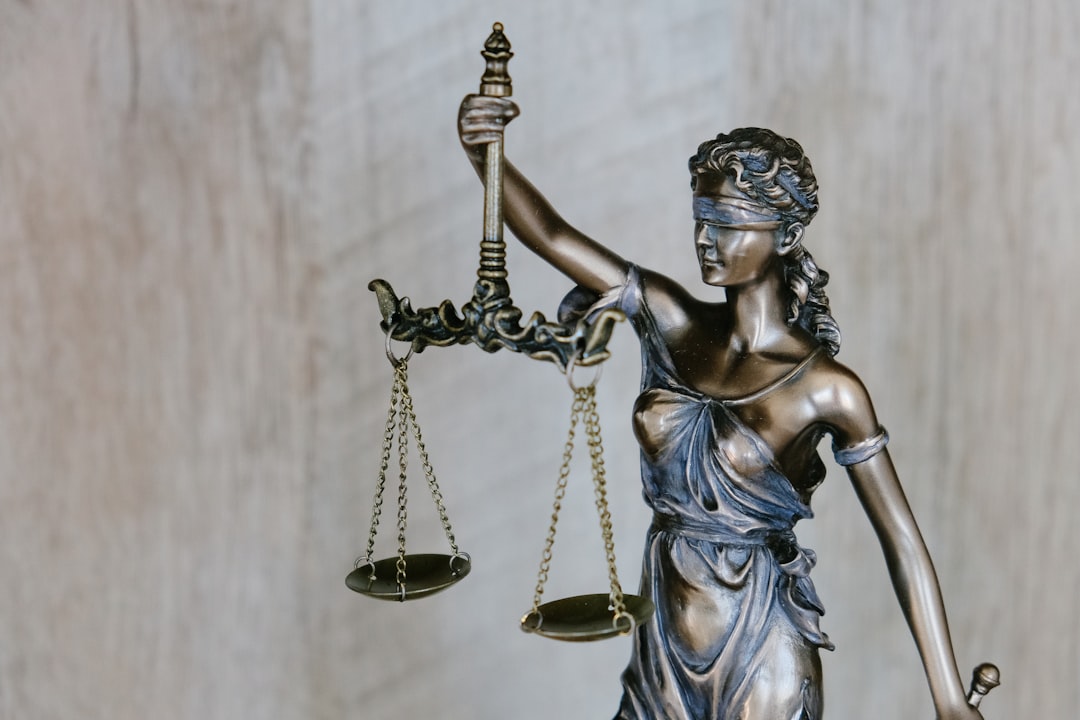
New York State has stringent laws in place to protect consumers from abusive debt collection practices. Understanding these regulations is crucial for both debtors and creditors alike, especially when dealing with persistent or aggressive debt collectors. The state's Debt Collection Act and Consumer Protection Law offer a comprehensive framework to safeguard individuals from unfair treatment. One notable aspect is the strict enforcement of the Spam Call law firm New York, which prohibits unauthorized automated phone calls, including those made by debt collectors. Debtors often face intimidation tactics such as relentless calls, threats, or misleading information, but these actions are illegal under New York law.
The Debt Collection Act strictly regulates the conduct of collection agencies and their employees. It mandates that creditors obtain valid debts through proper documentation and prohibits the use of false, deceptive, or harassing methods. For instance, a debt collector in New York cannot make calls before 7 am or after 9 pm without the consumer's consent, nor can they use abusive language or threaten legal action without having a solid case. Non-compliance with these rules can result in significant penalties for collection agencies and their attorneys. A recent study showed that over 50% of debt collection lawsuits in New York were dismissed due to procedural errors or violations of the state's consumer protection laws.
Practical advice for debtors facing aggressive debt collectors is to document every interaction, including the date, time, and content of communications. Keeping a record can be invaluable if a debtor decides to file a complaint with the New York State Attorney General's Office or the Better Business Bureau. Additionally, consumers have the right to request validation of the debt, which means collectors must provide proof of the amount owed and the original creditor's information. By understanding their rights under New York's Debt Collection Laws, debtors can navigate these situations more effectively and ensure they are treated fairly throughout the process.
Spam Call Regulations: What Collectors Must Know

New York State's Spam Call regulations are designed to protect consumers from aggressive debt collection practices, ensuring fair and transparent interactions. These rules, enforced by the New York State Attorney General's Office and the New York State Department of Financial Services, are particularly stringent for debt collectors, who must adhere to strict guidelines to avoid penalties. Violations can result in substantial fines, legal action, and significant reputational damage.
Debt collectors in New York are prohibited from making automated or prerecorded calls to consumers without prior express consent. This includes using artificial voices or identifying information that misrepresents the caller's identity. Moreover, they cannot call consumers at inconvenient times or places, such as before 7 a.m. or after 9 p.m., unless the consumer has given written permission. Violations of these rules can lead to individual consumers filing complaints with the Attorney General's Office and potential class-action lawsuits.
Practical advice for debt collectors involves implementing robust compliance programs and training staff on the applicable laws, including the Spam Call law firm New York regulations. Maintaining detailed records of consumer consent and call logs is essential for demonstrating regulatory adherence. Additionally, utilizing alternative communication methods like email or text messages, where permitted by consumers, can help reduce the risk of violations. Regularly reviewing and updating internal policies to align with evolving legal requirements is crucial for avoiding penalties and maintaining a professional reputation in this highly regulated industry.
Legal Penalties for Misconduct in NY State

In New York State, debt collector misconduct is taken seriously, with stringent legal penalties in place to protect consumers from unfair practices. The state's robust consumer protection laws are designed to regulate the behavior of debt collectors, ensuring they adhere to ethical standards and respect individual rights. One notable piece of legislation is the Spam Call law firm New York has implemented, which prohibits debt collectors from making harassing or abusive phone calls, including repeated unwanted contacts and using deceptive tactics. Violations can result in substantial fines and legal repercussions.
Debt collectors found guilty of misconduct may face a range of penalties, including civil lawsuits for damages and attorney fees. The New York State Attorney General's Office actively prosecutes cases of consumer fraud, with recent data indicating a steady increase in successful prosecutions against predatory debt collection practices. Moreover, individuals who have been victims of such misconduct can seek compensation through class-action suits, which can result in substantial monetary awards. For instance, a 2021 case resulted in a $3 million settlement for New York residents affected by misleading debt collection methods.
To ensure compliance and mitigate risks, debt collection agencies are advised to thoroughly review and understand the state's regulations, including those related to fair debt collection practices. Regular training for employees on ethical collection methods and consumer rights is essential. By prioritizing transparency, fairness, and respect for individuals' privacy, debt collectors can avoid legal penalties while building trust with their clients.
Consumer Rights and Recourse Against Collectors

New York State has established robust consumer protections to combat misconduct by debt collectors, empowering individuals to take action against abusive practices. The state's laws are designed to ensure fair treatment for consumers dealing with debt collection, offering several avenues for recourse when rights are violated. One notable piece of legislation is the Spam Call law firm New York has implemented, targeting unwanted phone calls and texts related to debt collection. This law grants consumers the right to seek damages and legal remedies against collectors who repeatedly make harassing or abusive contact.
Consumers can assert their rights under the Fair Debt Collection Practices Act (FDCPA), which prohibits collectors from engaging in certain unfair practices, such as using abusive language, making false statements about the debt, or threatening actions they cannot legally take. Violations may lead to significant penalties for the collector, including actual damages and attorney fees, as demonstrated by numerous successful legal cases in New York state courts. For instance, a 2022 ruling awarded a consumer over $15,000 in damages and legal costs after a debt collection agency made repeated unauthorized calls using an automated dialer system.
Practical advice for consumers facing alleged misconduct is to document all interactions with collectors, including dates, times, and content of communications. Keeping records can be invaluable when filing complaints or pursuing legal action. Moreover, New York's Attorney General's office provides a dedicated Consumer Protection Bureau that offers free resources and assistance to those dealing with debt collector abuse. Utilizing these state-sanctioned channels ensures consumers have access to expert guidance and support tailored to their specific circumstances.