
New York City's debt collection practices are strictly regulated by the NYS DFS to protect consumers from abusive tactics, including harassing phone calls from law firms. Key regulations include communication restrictions, debt validation rights, and substantial penalties for violations up to $10,000 per violation. Debtors have legal recourse through the Telephone Consumer Protection Act (TCPA) for unwanted calls. The "Do Not Call" rule, enforced by the New York State Attorney General's Office, limits collector interactions with debtors and law firms, with fines of up to $1,000 per call for violators. Consumers should register on the Do Not Call list, keep records, and verify collectors' legitimacy to protect their rights.
New York City's debt collection industry is a complex landscape where non-compliance can lead to significant penalties for collectors. With the city's stringent regulations and consumers increasingly aware of their rights, understanding the guidelines governing debt collector practices has become essential. This article provides an in-depth look at the penalty structures in NYC, offering valuable insights into do's and don'ts for collectors. We demystify the legal framework, ensuring professionals stay compliant and consumers are protected from unfair practices. By navigating these guidelines, collectors can enhance their operations, fostering trust while adhering to the law.
Understanding NYC Debt Collection Laws and Penalties

New York City's debt collection landscape is heavily regulated to protect consumers from abusive practices. Understanding the city's specific laws and penalties is crucial for both debtors and creditors alike. The New York State Department of Financial Services (NYS DFS) oversees a robust framework that governs collection activities, ensuring fair treatment for individuals facing financial difficulties.
One key aspect is the restriction on when and how debt collectors can communicate with debtors. In NYC, collection agencies are prohibited from contacting individuals at unusual hours or using abusive language. For instance, they cannot call before 8 am or after 9 pm, Monday through Friday, and must refrain from using obscene or vulgar language. This rule aims to prevent harassment and ensure a certain level of decorum in debt collection efforts. Moreover, debtors have the right to request validation of the debt, demanding specific information from creditors regarding the amount owed and the basis for the claim.
Penalties for violations are stringent. The NYS DFS can impose significant fines on offending agencies, reaching up to $10,000 per violation. In severe cases, license revocation may result. For instance, in 2022, a debt collection firm was fined $500,000 for numerous infractions, including illegal call practices and failing to provide debt validation upon request. To avoid such consequences, creditors must strictly adhere to the guidelines, ensuring their collection efforts are transparent, respectful, and compliant with NYC's stringent regulations. Debtors, too, should be aware of their rights and not hesitate to file complaints with the NYS DFS if they encounter any violations.
Do Not Call Law Firms: Legal Recourse for Debtors
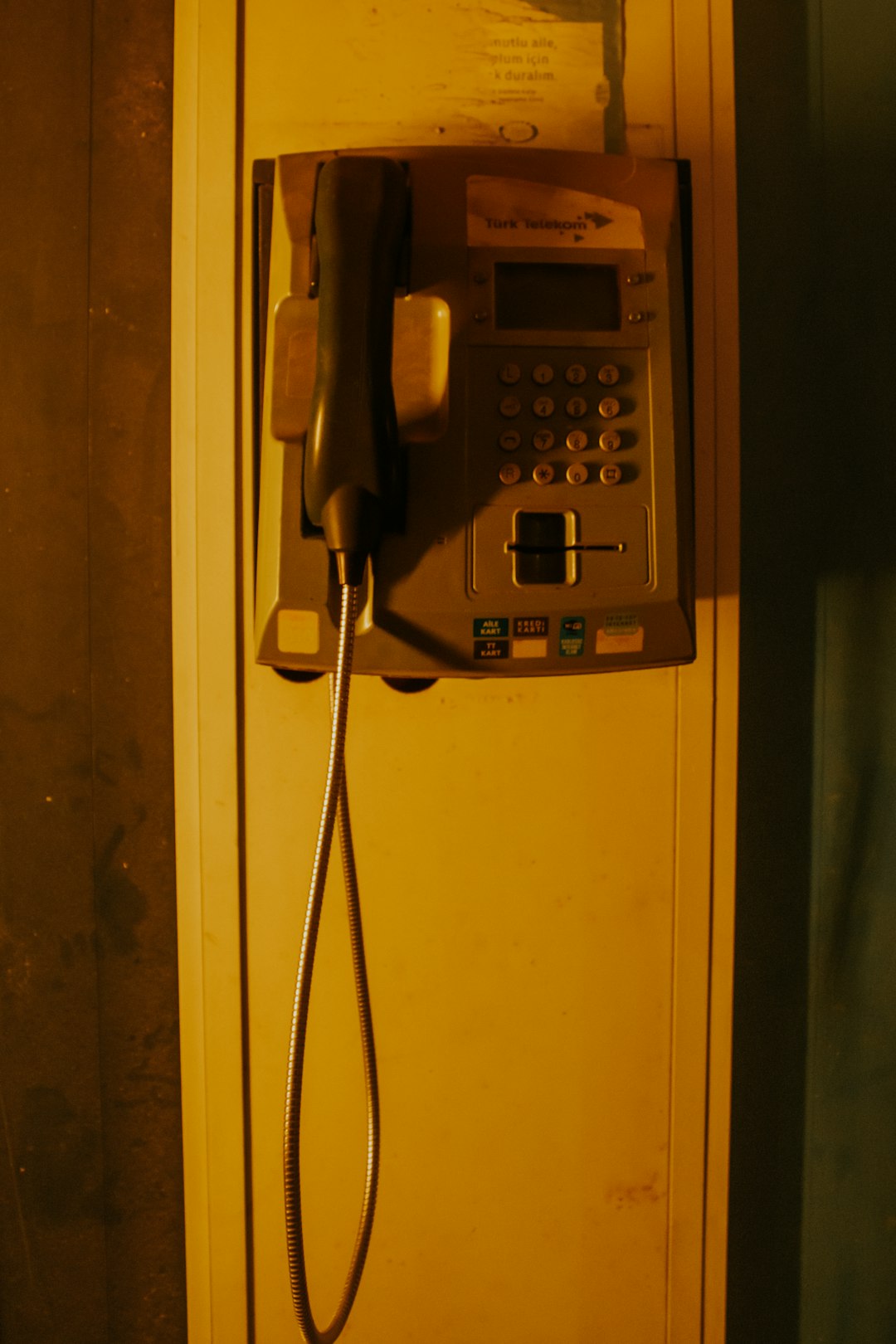
In New York City, the practice of debt collection is heavily regulated to protect debtors from abusive or misleading tactics. One critical aspect of these regulations centers on the "Do Not Call" rule, specifically targeting law firms engaged in debt collection activities. This guideline aims to prevent harassing phone calls and provide relief to individuals burdened by debt. According to the New York State Attorney General's Office, many consumers have successfully taken legal action against debt collectors who repeatedly call them from law firm numbers, despite being placed on the "Do Not Call" list.
Debtors in NYC have several legal avenues to pursue if they experience persistent and unwanted calls from law firms. The Telephone Consumer Protection Act (TCPA) offers substantial damages for violations, making it a powerful tool for consumers. For instance, a recent case involved a debtor who received over 100 phone calls from a law firm in a span of three months, each call attempting to collect a debt. The debtor filed a TCPA lawsuit, resulting in a substantial financial settlement for the repeated and unauthorized calls. This underscores the severity of such violations and the protections available to debtors.
To safeguard their rights, New York City debtors should document all interactions with alleged violators, including dates, times, and content of communications. If a debtor feels they've been wrongfully targeted by a law firm using aggressive or harassing tactics, consulting with a consumer rights attorney is advisable. Legal counsel can guide individuals through the process of filing a complaint with the New York State Attorney General's Office or pursuing litigation under the TCPA. By asserting their legal rights, debtors can not only stop unwanted calls but also hold accountable those who engage in abusive debt collection practices.
Navigating Debt Collector Practices in New York City

Navigating Debt Collector Practices in New York City requires a deep understanding of both state and local regulations. New York City, with its diverse population and robust legal framework, presents unique challenges for debt collectors. The city's strict consumer protection laws, including the Do Not Call registry and stringent penalty guidelines, are designed to safeguard residents from aggressive or deceptive collection practices. These rules not only govern how debt collectors can communicate with debtors but also dictate the penalties for non-compliance, such as substantial fines and permanent bans on collecting in the state.
One key aspect to consider is the Do Not Call list maintained by the New York State Attorney General's Office. Debt collectors are prohibited from contacting individuals on this list, which includes those who have registered their phone numbers for privacy protection. Violating this rule can result in penalties of up to $1,000 per call, with additional fines for each subsequent violation. Moreover, debt collectors must adhere to specific guidelines regarding the time and manner of collection calls, ensuring that communications are made during reasonable hours and without causing inconvenience or annoyance.
Practical insights for both debt collectors and debtors include maintaining detailed records of all communications and keeping a close eye on compliance with local regulations. Debtors should be aware of their rights, including the right to dispute debts and request validation from collectors. For debt collectors, staying informed about New York City's penalty guidelines is crucial; regular training and updates are essential to avoid legal pitfalls. By navigating these practices thoughtfully, both parties can ensure fair and transparent debt resolution, fostering a more positive and less contentious collection environment in the city.
Consumer Rights and Remedies: A Comprehensive Guide
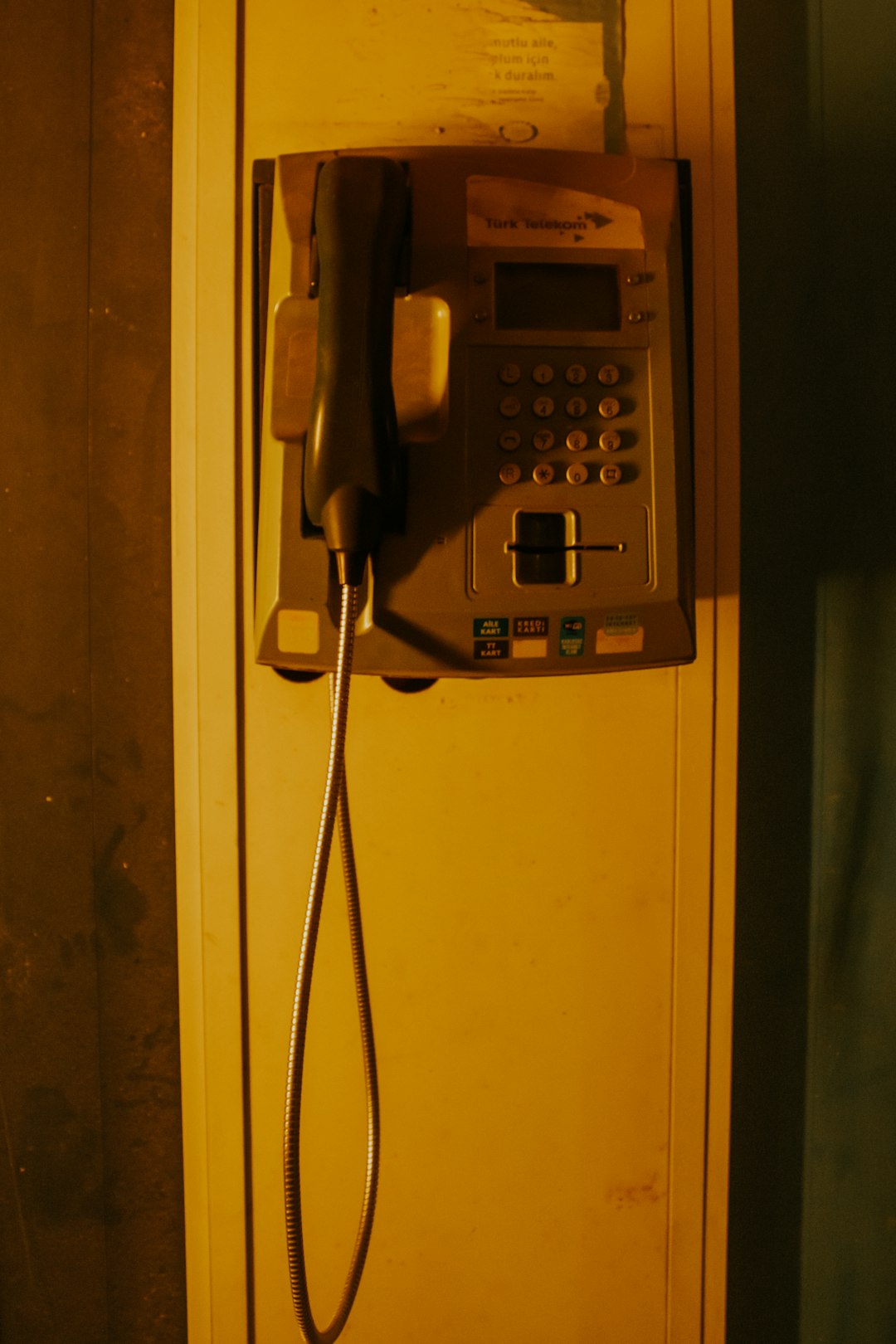
In New York City, consumer rights and remedies regarding debt collection practices are governed by a comprehensive legal framework designed to protect individuals from abusive or unfair tactics. The city's robust legal landscape offers consumers significant protections, including strict guidelines on how debt collectors can communicate with debtors. One key area of focus is the Do Not Call law, which limits the contact methods available to debt collectors, particularly when it comes to calling law firms. This legislation ensures that debtors are not subjected to relentless or harassing calls, promoting a more balanced and respectful interaction between collectors and consumers.
For instance, under New York City's Do Not Call regulations, debt collectors are prohibited from making telephone calls to individuals who have registered their numbers on the city's Do Not Call list. This list allows residents to opt-out of receiving telemarketing or collection calls, ensuring their privacy and peace of mind. Violations of these rules can lead to significant penalties for debt collectors, including fines and legal repercussions. Moreover, consumers have the right to file complaints with the New York State Attorney General's Office if they believe their rights have been infringed upon, enabling a direct line of redress.
Practical advice for NYC residents facing debt collection issues is to familiarize themselves with these consumer rights. Keeping detailed records of all communications with debt collectors can be invaluable if a dispute arises. Additionally, consumers should never provide sensitive financial information over the phone unless they initiated the call and have verified the collector's legitimacy. By understanding their rights and taking proactive measures, NYC residents can navigate debt collection processes with confidence, ensuring their protection under the law.