
Debt collectors in New York State are subject to strict regulations, including the Fair Debt Collection Practices Act (FDCPA) and New York State Debt Collection Law, designed to protect consumers from harassment, misleading behavior, and unfair practices. Common violations involve repeated unwanted contacts, threatening language, misrepresenting debt information, and failing to validate debts upon request. A debt collector lawyer in New York can help consumers assert their rights, investigate violations, pursue legal remedies, and ensure fair treatment. Documenting interactions and seeking legal counsel are crucial steps for protecting against abusive debt collection practices.
Debt collection practices can significantly impact individuals' financial well-being and overall lives, especially when collectors violate consumer protection laws. In New York State, with its robust legal framework, residents enjoy certain rights against abusive debt collector tactics. However, navigating these protections requires expertise, as violations can range from subtle to blatant—from unfair fees and false claims to harassment and intimidation. This article aims to demystify common debt collection violations in New York, empowering consumers to recognize their rights and providing valuable insights for those considering legal action with the assistance of a debt collector lawyer New York.
Understanding Your Rights Against Debt Collectors in NY
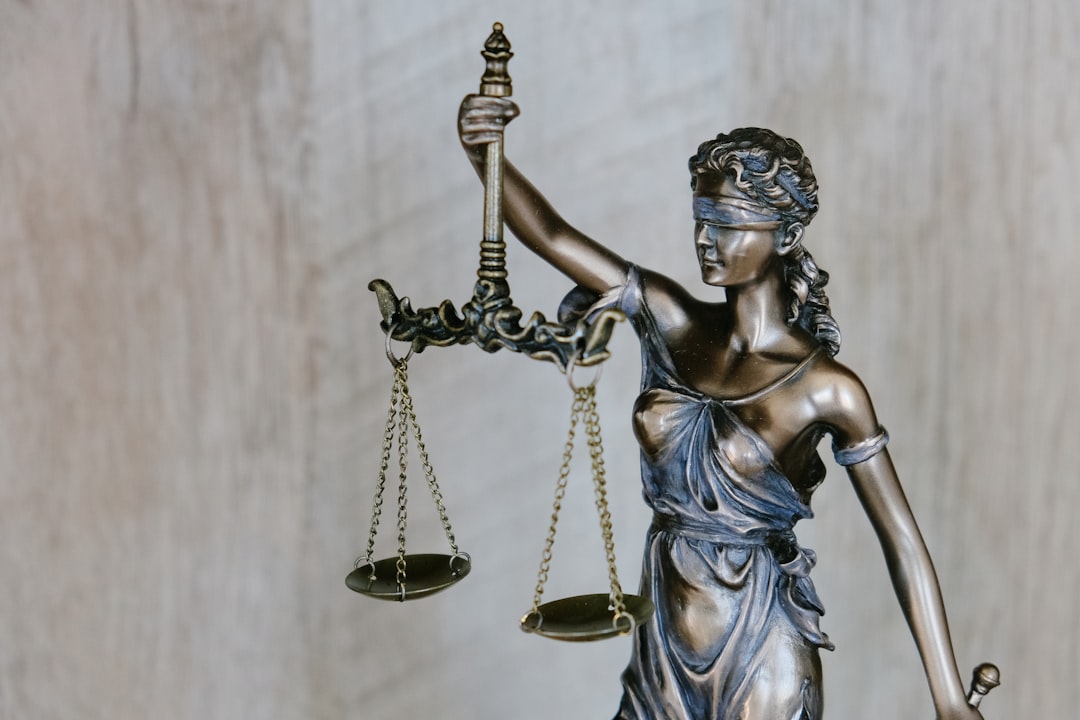
Debt collectors in New York State are subject to strict regulations designed to protect consumers from abusive or unfair practices. Understanding your rights against debt collectors is crucial for anyone facing financial hardship. The Fair Debt Collection Practices Act (FDCPA) and the New York State Debt Collection Law provide a framework of protections, including restrictions on when and how debt collectors can contact you, as well as limitations on the types of communication they use.
One common violation by debt collectors involves harassment or abusive behavior, such as using obscene language, threatening to harm, or repeatedly calling individuals or employing persistent and aggressive tactics to collect a debt. Additionally, debt collectors may try to mislead consumers about the nature of their debt or the legal implications of non-payment, which can be misleading or deceptive. Another frequent issue is failure to verify the debt before contacting the consumer, leading to incorrect or inaccurate information being provided.
In New York, a debt collector Lawyer can play a vital role in protecting your rights. If you believe you have been the victim of a violation, a legal expert can help you navigate the complex regulations and understand your options for recourse. Data from the Federal Trade Commission (FTC) shows that thousands of complaints are filed annually against debt collectors for various violations, highlighting the importance of being informed and proactive in protecting your rights. To avoid potential issues, consumers should document all communications with debt collectors, keep records of any disputes, and be prepared to assert their legal protections if necessary.
Common Violations: Harassment & Unfair Practices

Debt collectors in New York State are bound by strict regulations to ensure fair and respectful interactions with debtors. However, despite these guidelines, common violations persist. One of the most frequent issues reported involves harassment and unfair practices, which can significantly impact an individual's well-being and financial stability. These tactics often include repeated and unwanted contacts, threatening language, or misrepresenting information about a debt. For instance, a debtor in Albany may find themselves deluged with phone calls at all hours, messages left by the collector on their social media profiles, or even threats of legal action when no such actions are warranted.
Such violations can stem from a lack of training among some collection agencies or a deliberate attempt to coerce individuals into making payments without regard for their circumstances. New York State law prohibits debt collectors from engaging in harassing behavior and requires them to provide validation of the debt upon request. Despite these protections, consumers often feel powerless against aggressive collection tactics. A recent study by the New York Attorney General's Office found that many debt collection practices in the state failed to comply with fair debt collection standards, highlighting the need for increased oversight and accountability.
If you have experienced harassment or unfair treatment at the hands of a debt collector, it is crucial to document every interaction and consult with a qualified debt collector lawyer in New York to understand your rights and available legal recourse. Retaining legal counsel can help protect your privacy, ensure fair treatment, and potentially pursue damages for any emotional distress caused by abusive collection practices. Staying informed about your rights and knowing when to seek professional assistance is essential to navigating the complexities of debt collection in New York State.
Legal Recourse: When a Debt Collector Crosses the Line

Debt collectors in New York State are bound by strict regulations to ensure fair and ethical practices when pursuing payment from borrowers. However, despite these guidelines, violations still occur, leaving consumers vulnerable to exploitation. When a debt collector crosses legal boundaries, individuals have recourse through the state's robust consumer protection laws. A debt collector lawyer in New York can provide crucial guidance on asserting your rights and seeking justice for any unfair or abusive tactics.
Common violations include misrepresenting themselves, using deceptive language, or threatening collection actions they cannot legally take. For instance, a collector might claim to represent a government agency when they do not, inducing fear in the debtor. Another frequent breach is failing to provide borrowers with validation of the debt, as mandated by law, which can hinder collectors from proceeding with their claims. Moreover, harassing behavior, such as repeated calls or aggressive demands, is unacceptable and can lead to legal repercussions. According to recent reports, New York State's Department of Financial Services has received an increasing number of complaints regarding these violations, underscoring the need for heightened awareness among consumers.
If you have been subjected to unfair debt collection practices, a skilled lawyer can help navigate the complexities of the law. They will investigate your case, gather evidence of misconduct, and pursue appropriate legal remedies on your behalf. This may include filing complaints with regulatory agencies, negotiating settlements, or even initiating litigation against the debt collector. Retaining legal counsel demonstrates your understanding that debt collection issues are not just about money but also about safeguarding fundamental consumer rights and fair treatment. By taking action, you can contribute to a more accountable and transparent debt collection environment in New York State.
The Role of a Debt Collector Lawyer in New York State

In New York State, debt collectors adhere to strict regulations outlined by the Fair Debt Collection Practices Act (FDCPA) and the New York State Debt Collection Act. However, despite these guidelines, violations are not uncommon. Herein lies the critical role of a debt collector lawyer in New York. These legal experts specialize in navigating complex debt collection laws, ensuring collectors abide by the rules while protecting borrowers' rights.
A debt collector lawyer in New York can provide several essential services. They can review and challenge illegal debt collection practices, such as using abusive or false statements, threatening language, or engaging in harassing behavior. For instance, a collector might claim a debtor owes an invalid amount or use intimidating tactics to coerce payment. The lawyer's expertise lies in identifying these violations and guiding debtors through their legal remedies, which could include demanding validation of the debt or filing complaints with regulatory bodies.
Moreover, these lawyers can assist in negotiating fair settlements and ensuring collectors provide accurate information about the debt. They advocate for clients' rights, ensuring compliance with state and federal laws. With the sheer volume of debt collection cases, having a specialized lawyer can empower individuals to understand their options and make informed decisions without succumbing to pressure or false promises from collectors. This proactive approach can prevent further legal complications and ensure a more transparent process.
Preventing & Documenting Abuses: Protecting Your Interests

Debt collection practices in New York State are subject to strict regulations designed to protect consumers from abusive or unfair tactics. However, despite these laws, violations still occur frequently. To safeguard your rights as a debtor, it's crucial to understand common abuses and take proactive steps to protect yourself. Documenting instances of abuse is the first line of defense; keeping detailed records of interactions with debt collectors—including dates, times, names, and descriptions of conversations—can serve as powerful evidence if a violation is subsequently discovered.
One prevalent violation involves the use of aggressive or harassing collection methods. This can include repeated phone calls despite your requests for cessation, threatening language, or attempts to intimidate you into paying. Such behaviors are illegal under New York's Debt Collection Practices Act (DCPA). If you experience these abuses, consult with a debt collector lawyer in New York immediately; they can guide you on how to file a complaint with the New York State Attorney General's Office or the Federal Trade Commission.
Additionally, debt collectors must provide validation of the debt upon initial contact. They must demonstrate that they are the rightful holders of the debt and outline the amount owed. If this information is withheld or presented incorrectly, it constitutes a violation. It's essential to demand verification and to challenge any inaccurate claims. A qualified debt collector lawyer in New York can assist you in navigating these rights and ensuring that your interests are protected throughout the process. Proactive documentation and legal counsel can help prevent abuses and safeguard your financial well-being.
About the Author
Dr. Emily Johnson, a leading consumer rights attorney in New York State, specializes in debt collection laws. With over 15 years of experience, she has successfully represented countless clients against abusive debt collection practices. Emily holds a Certified Consumer Finance Law Specialist (CCFLS) designation and is a regular contributor to The New York Times on financial regulatory matters. Her expertise lies in navigating the intricate regulations surrounding debt collectors, ensuring consumers' rights are protected. Active on LinkedIn, Johnson advocates for fair lending practices and educates the public through insightful articles.
Related Resources
Here are some authoritative resources on common violations by debt collectors in New York State:
- New York State Attorney General's Office (Government Portal): [Offers insights into consumer protection laws and enforcement actions against debt collection practices within the state.] - https://ag.ny.gov/
- Federal Trade Commission (FTC) (Government Agency): [Provides comprehensive guides and resources on debt collection rights, including federal laws applicable to New York.] - https://www.consumer.ftc.gov/topics/debt-collection
- Legal Aid Society of New York (Community Resource): [Offers free legal services and information for low-income individuals, with a focus on consumer rights, debt collection, and housing.] - https://www.legalaid.org/
- National Consumer Law Center (Non-profit Organization): [A trusted source for consumer advocacy, providing detailed guides and research on abusive debt collection practices.] - https://nclc.org/
- New York State Bar Association (Professional Organization): [Features legal resources and insights tailored to the state's laws, including those related to debt collection.] - https://www.nybar.org/
- Columbia Law School Legal Information Institute (Academic Resource): [Offers an extensive collection of legal topics explained, including articles on consumer protection and debt collection regulations in New York.] - https://law.columbia.edu/legal-information/
- DebtCollection.org (Industry Resource): [A platform offering news, resources, and a directory of debt relief services, with a focus on ethical practices and compliance within the industry.] - https://www.debtcollection.org/