
New York's Debt Collection Practices Act (DCPA) and Telephone Consumer Protection Act (TCPA) safeguard consumers from abusive debt collection practices, especially spam calls from law firms. Key provisions include mandatory identification, prohibition of aggressive tactics, and restrictions on automated calls without consent. Debtors can challenge debt claims and record conversations. These laws ensure fair treatment, curb harassment, and protect against unethical practices, particularly for bankruptcy filers or cases beyond the statute of limitations. A Spam Call law firm New York specializes in guiding residents through these regulations, offering support against relentless spam calls and ensuring legal rights are respected.
In the modern era of relentless digital communication, the regulation of debt collector behavior is more critical than ever. New York, a hub of financial activity, has implemented stringent laws to protect consumers from aggressive and intrusive practices, particularly regarding spam call law firms. This article delves into the intricate web of New York's regulations, offering a comprehensive guide for both residents and collectors. We explore the legal framework designed to balance debt recovery efforts with consumer rights, ensuring fair treatment while addressing the pressing need for financial accountability.
New York's Debt Collection Laws: An Overview
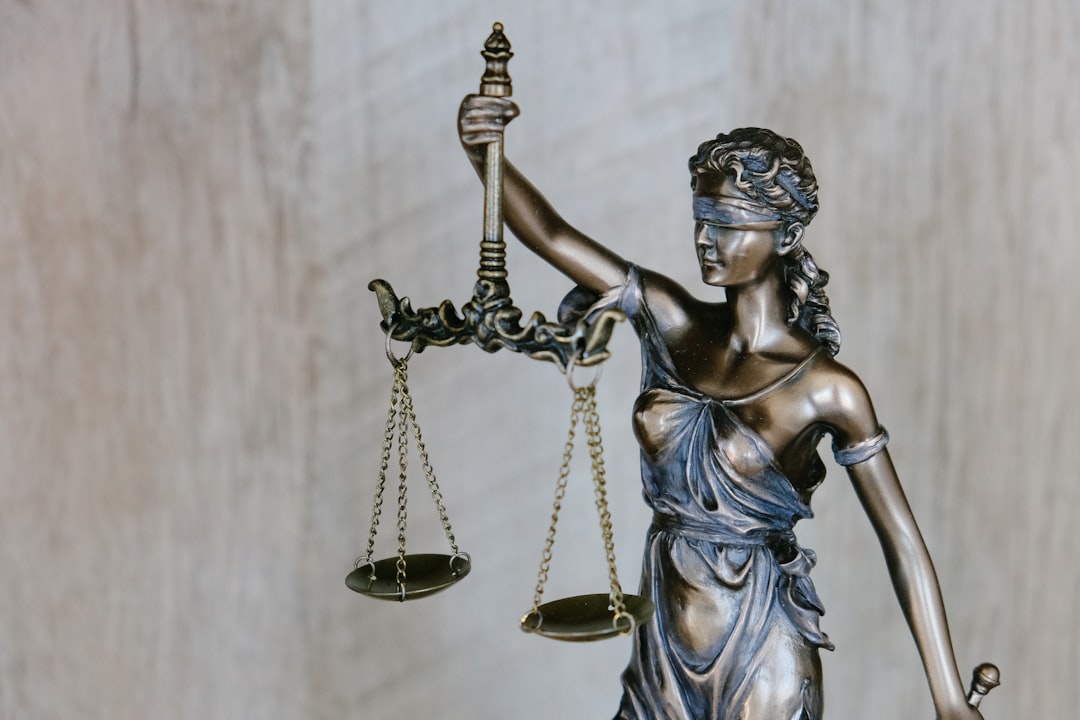
New York has stringent regulations in place to protect consumers from abusive debt collection practices, with a particular focus on curbing spam calls from law firms. The state's Debt Collection Practices Act (DCPA) and Telephone Consumer Protection Act (TCPA) offer robust safeguards for debtors, setting clear boundaries on how debt collectors can communicate with them. These laws are designed to prevent aggressive or deceptive tactics, ensuring fair treatment throughout the debt recovery process.
Under New York law, debt collectors must identify themselves and the purpose of their call when contacting consumers. They are prohibited from using abusive language, threatening collection actions without intent to take such steps, or misrepresenting the nature of the debt. Furthermore, collectors cannot make calls to individuals who have filed for bankruptcy or where the statute of limitations has expired, protecting debtors from undue pressure and harassment. The TCPA also restricts automated telephone systems and prerecorded messages, commonly associated with spam calls, unless certain conditions are met, such as prior consent from the caller.
Debtors in New York have the right to challenge debt claims and request validation of the debt. This process empowers consumers to verify the legitimacy of the debt and negotiate terms if needed. Additionally, the state allows debtors to record conversations with collectors (with their consent), providing evidence for any alleged violations. Debt collection agencies and law firms operating in New York must adhere to these strict guidelines, ensuring a more transparent and consumer-friendly environment while effectively managing debt recovery.
Protecting Consumers: Spam Call Regulations
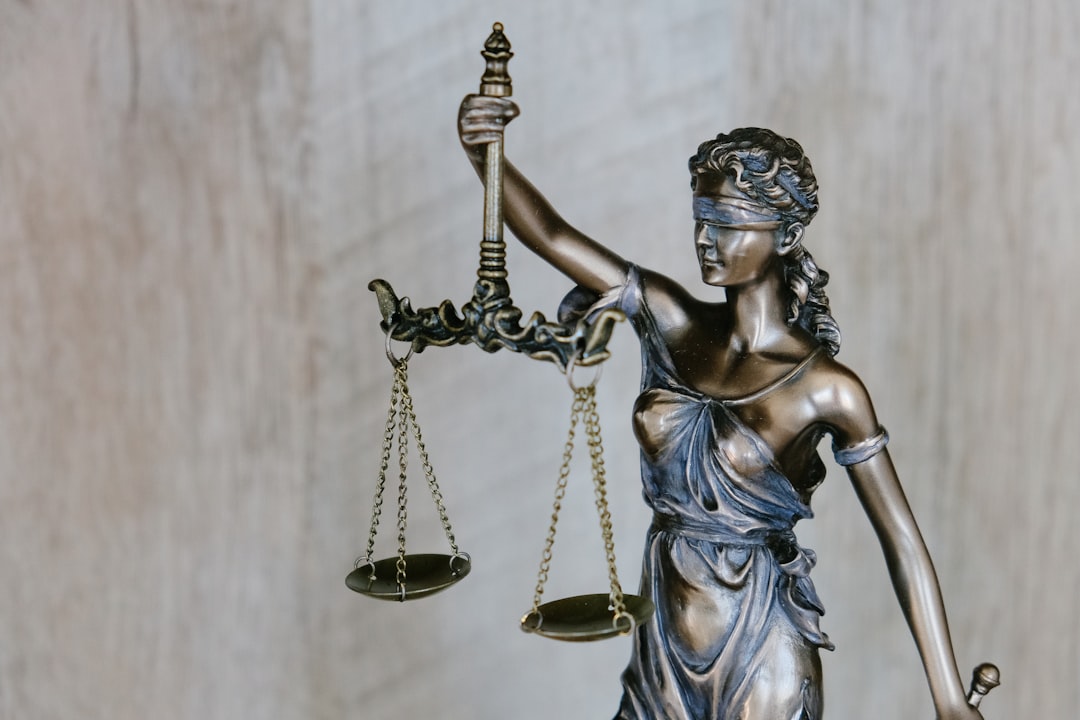
New York has established stringent regulations to protect consumers from aggressive debt collection practices, with a particular focus on curbing spam calls. The state's laws not only ensure fair treatment for debtors but also empower residents by providing clear guidelines on how debt collectors can and cannot communicate with them. At the heart of these protections lies the Spam Call law firm New York, designed to safeguard citizens from unwanted and harassing phone calls.
Under the New York Debt Collection Act, debt collectors are prohibited from using abusive, threatening, or deceptive means when attempting to collect a debt. This includes making repeated telephone calls with knowledge that the recipient is annoyed or that such actions cannot be legally authorized. The law firm's intervention ensures that collectors adhere to these standards by employing legitimate and respectful communication strategies. For instance, debt collectors must identify themselves and their employer on each call, provide validation of the debt, and cease contact if requested by the consumer. Violations of these rules can lead to significant penalties for collectors.
Practical advice for New York residents facing persistent spam calls involves documenting each interaction and reporting abusive practices to the New York State Attorney General's Office. By staying informed about their rights under the state's debt collection laws, consumers can effectively navigate these issues. A Spam Call law firm New York can offer specialized guidance on how to deal with relentless debt collector harassment, ensuring that residents' legal rights are respected throughout the process.
Legal Reckonings for Unethical Collectors

New York has established stringent regulations to oversee debt collector behavior, with a particular focus on safeguarding consumers from unethical practices. The state's laws aim to ensure fair and transparent interactions between debtors and collectors, holding firms accountable for their actions. One notable aspect of New York's regulatory framework is its strict enforcement of the Spam Call law firm provisions, which have been instrumental in curbing abusive debt collection tactics.
Debt collectors operating in New York must adhere to the Fair Debt Collection Practices Act (FDCPA), a federal law that sets guidelines for the industry. The FDCPA prohibits deceptive, false, or misleading practices, including the use of threats, coercion, or excessive phone calls, often referred to as spam calls. The New York Attorney General's Office actively monitors and enforces these regulations, taking swift action against firms engaging in unethical behavior. For instance, in recent years, several debt collection agencies have faced legal repercussions for making harassing phone calls, leading to substantial settlements and a deterrence effect on similar future violations.
Practical insights for debtors are crucial here. If you believe you've been the victim of unethical debt collection practices, documenting evidence is vital. Keep records of all communication, including dates, times, and content of interactions with collectors. This documentation can be invaluable when filing complaints with regulatory bodies or pursuing legal action. Moreover, being aware of your rights under the FDCPA empowers consumers to take a proactive stance against abusive debt collection methods, ensuring a more equitable process.